Language in Cape Verde: Portuguese, Creole and English on Sal
English | Deutsch | Nederlands | Français | Español | Italiano | Português
Choose your language
English | Deutsch | Nederlands | Français | Español | Italiano | Português
In Cape Verde (Cabo Verde) Portuguese is the official language. Cape Verde has been an independent country since 5 July 1975; before that it was a Portuguese colony for centuries. The local language is Creole (Kriolu), and every island has its own dialect. On Sal you can usually get by well in English.
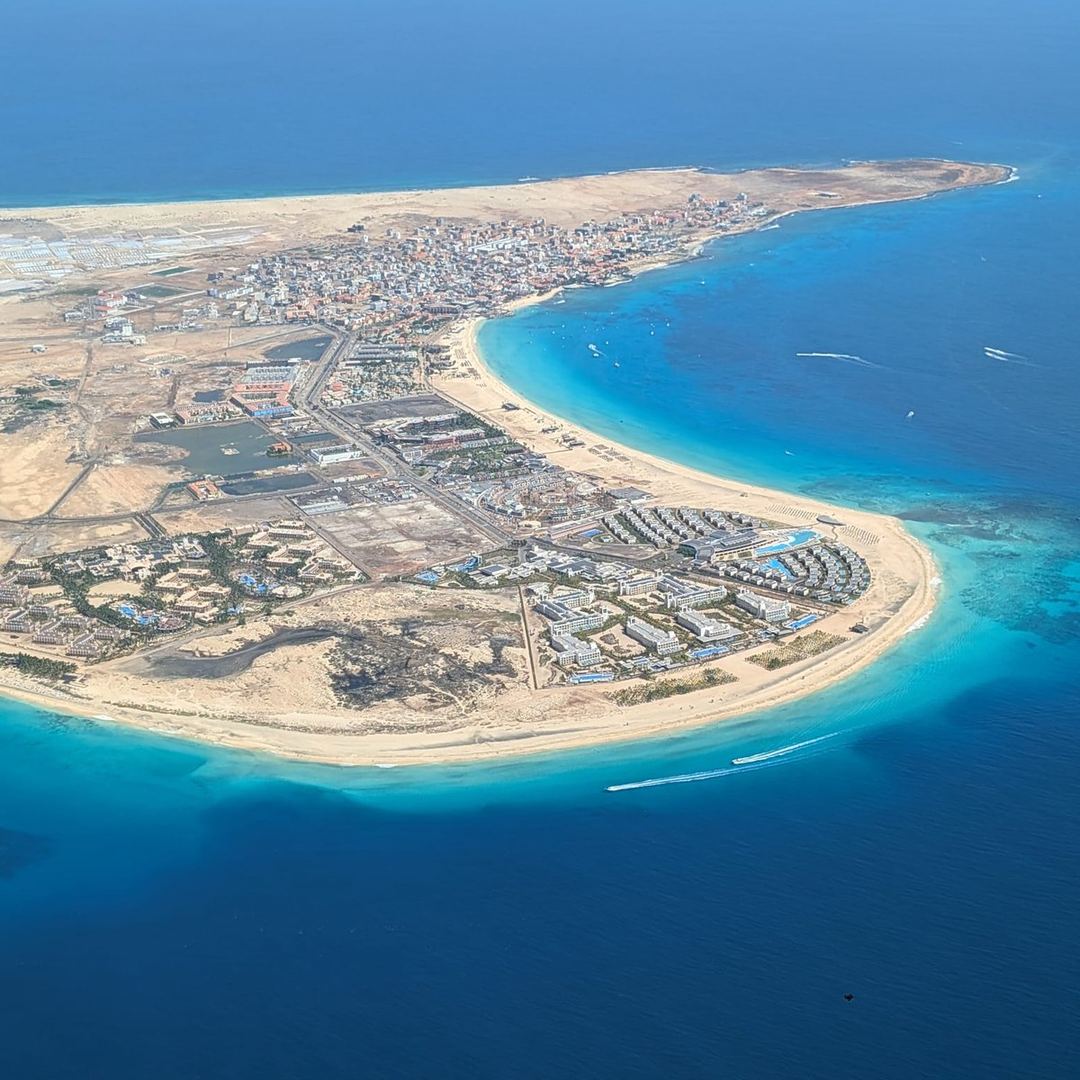
The languages on Sal
Portuguese is the language of government, schools and official papers. On the street, at home and in music you mainly hear Creole, a language that grew out of Portuguese and African languages. Creole on Sal sounds different again from Santiago or São Vicente. In Santa Maria many people also speak English, and often Italian or French. A few words of Creole, such as 'bom dia' and 'obrigado', quickly make you friends.
A short history of Cape Verde
The islands were uninhabited when Portuguese navigators discovered them around 1460. The first settlement, Ribeira Grande, now Cidade Velha and a World Heritage Site, grew on Santiago. Cape Verde became an important trading post on the Atlantic routes, sadly also in the slave trade. From the mix of African and Portuguese influences came its own language, cuisine and music, such as morna.
Sal owes its name to salt: salt was harvested and shipped from the salt pans of Pedra de Lume. In the twentieth century the independence movement grew, with Amílcar Cabral as its best known leader; Sal's airport is named after him. Cape Verde became independent on 5 July 1975, and since 1991 it has been a multiparty democracy. Today it is a calm, stable country that lives from tourism, fishing and trade.
Frequently asked questions about language
What language is spoken in Cape Verde? Portuguese is the official language; in daily life people speak Cape Verdean Creole, with a dialect per island.
Can I get by in English on Sal? Yes, on Sal you can usually get by well in English, especially in Santa Maria.
When did Cape Verde become independent? On 5 July 1975. Before that it was a Portuguese colony.